
Are you avoiding carbs in an effort to lose weight? This common dieting and exercise misconception—that eliminating carbohydrates is the key to fitness—could be harming your health more than helping. While low-carb diets may offer short-term results, cutting out an entire macronutrient group can lead to fatigue, nutrient deficiencies, and even metabolic slowdown.
In this article, we’ll debunk the myths behind the dieting and exercise misconception of “no carbs” and explore how the right carbohydrates actually fuel workouts, support brain function, and sustain energy levels. You’ll learn how to balance carbs for optimal performance and long-term health—without sabotaging your fitness goals. Ready to separate fact from fiction? Let’s dive in!
Understanding Weight Loss for Women
Weight loss is a unique journey for every woman, influenced by factors such as metabolism, hormones, lifestyle, and genetics. Unlike men, women often face additional challenges due to hormonal fluctuations, pregnancy, and menopause, which can impact weight management.
To achieve sustainable results, it’s essential to focus on Effective Weight Loss Tips for Women that prioritize overall health rather than extreme dieting. A combination of balanced nutrition, regular physical activity, and mindful habits can help women lose weight while maintaining energy levels and well-being. Understanding how the body responds to different foods, exercises, and stressors allows women to create a personalized approach that supports long-term success.
How Metabolism and Hormones Affect Weight Loss
Metabolism plays a crucial role in weight loss, as it determines how efficiently the body burns calories for energy. Women generally have a slower metabolic rate than men due to differences in muscle mass and hormonal composition. Hormones such as estrogen, progesterone, and insulin significantly impact weight regulation, influencing appetite, fat storage, and energy levels.
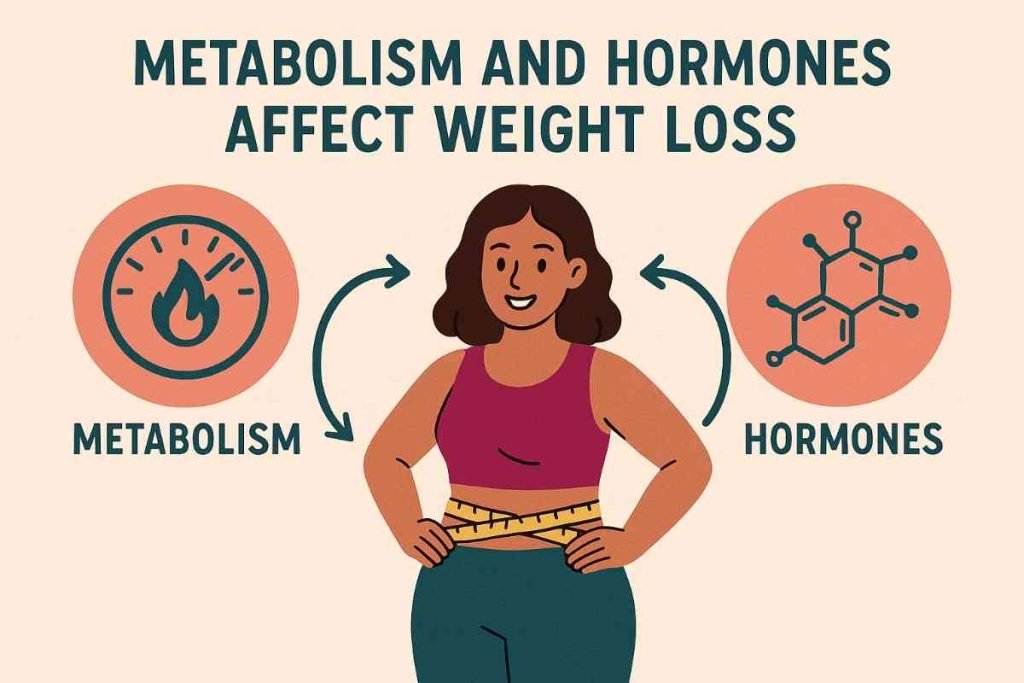
Estrogen: Fluctuations in estrogen levels, especially during menopause, can lead to increased fat storage and a slower metabolism.
Progesterone: This hormone affects water retention, which can sometimes be mistaken for weight gain.
Insulin: Insulin resistance can make it harder for women to lose weight, particularly if they consume excessive refined sugars and processed foods.
Balancing hormones through proper nutrition, exercise, and stress management can help women optimize their metabolism and achieve sustainable weight loss.
Common Misconceptions About Dieting and Exercise
Many women struggle with weight loss due to misleading information about dieting and exercise. Here are some common misconceptions:
“Eating less is the best way to lose weight.” Extreme calorie restriction can slow metabolism and lead to muscle loss, making long-term weight management more difficult.
“Carbs should be completely avoided.” Healthy carbohydrates, such as whole grains and vegetables, provide essential nutrients and energy for workouts and daily activities.
“Cardio is the only way to burn fat.” While cardio helps with calorie burning, strength training is equally important for building muscle and boosting metabolism.
“Weightlifting makes women bulky.” Strength training helps tone muscles and improve body composition without causing excessive bulkiness.
“Diet pills and detox teas guarantee quick results.” Many weight loss supplements are ineffective or unsafe, often leading to temporary results rather than sustainable fat loss.
By understanding the science behind weight loss and avoiding common myths, women can adopt Effective Weight Loss Tips for Women that promote long-term health and well-being.
Nutrition Strategies for Weight Loss
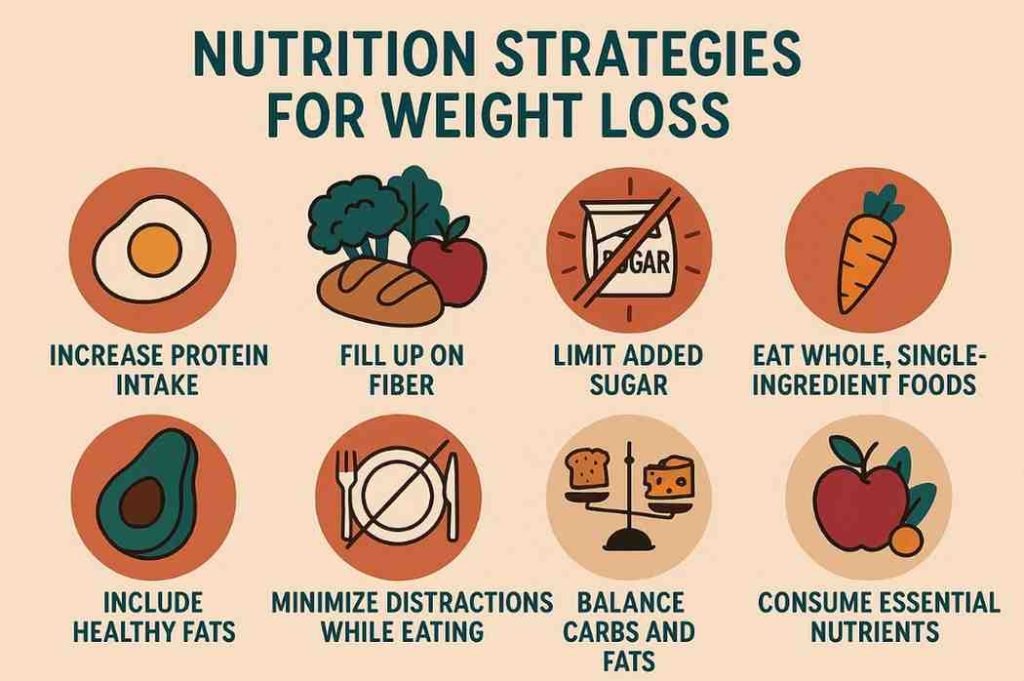
Proper nutrition is the foundation of successful weight loss. By focusing on Effective Weight Loss Tips for Women, you can create a balanced diet that supports fat loss while maintaining energy and overall health. Here are key nutrition strategies to help women achieve sustainable weight loss:
Balanced Diet: Focus on Whole Foods
Prioritizing whole, nutrient-dense foods ensures your body gets the essential vitamins and minerals it needs. Incorporate:
- Lean proteins (chicken, fish, tofu, eggs) to support muscle maintenance and satiety.
- Fiber-rich foods (vegetables, fruits, whole grains) to improve digestion and control appetite.
- Healthy fats (avocados, nuts, olive oil) to regulate hormones and curb cravings.
Portion Control: Mindful Eating
Overeating—even healthy foods—can hinder weight loss. Practice mindful eating by:
- Use smaller plates to avoid oversized servings.
- Eating slowly and recognizing hunger cues.
- Avoiding distractions like TV or phones while eating.
Hydration: Drinking Water for Weight Loss
Water plays a crucial role in digestion, metabolism, and appetite control. Aim for 8–10 glasses per day to:
- Reduce cravings and prevent overeating.
- Support metabolism and fat-burning processes.
- Improve digestion and overall hydration levels.
Limit Processed Foods & Sugars
Highly processed foods and added sugars contribute to weight gain and energy crashes. Reduce intake of:
- Sugary drinks and snacks.
- Fast food and packaged meals.
- Refined carbohydrates like white bread and pastries.
Meal Timing: Regular Meals vs. Intermittent Fasting
The timing of meals can impact metabolism and energy levels. Consider:
- Regular meals to maintain steady blood sugar levels and prevent binge eating.
- Intermittent fasting (if suitable) to enhance fat-burning and improve metabolic flexibility.
By following these Effective Weight Loss Tips for Women, you can create a sustainable nutrition plan that supports long-term health and weight management.
Exercise and Physical Activity
Regular physical activity is essential for weight loss, muscle tone, and overall well-being. By incorporating Effective Weight Loss Tips for Women, you can create a fitness routine that supports fat loss while improving strength and endurance.
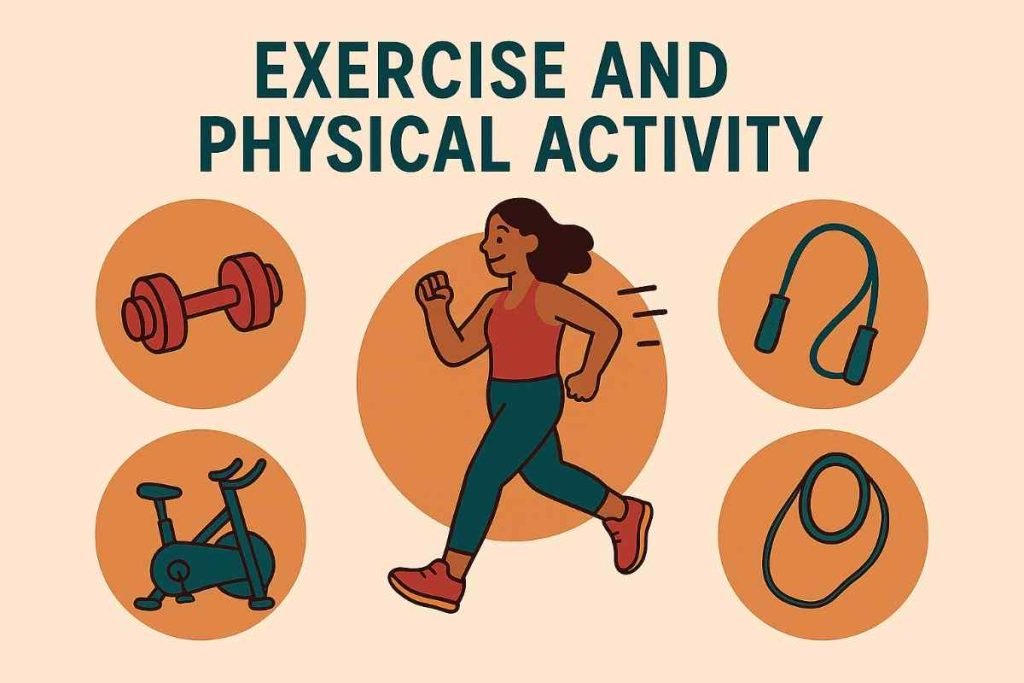
1. Strength Training for Fat Loss
Many women avoid weightlifting due to the misconception that it leads to bulkiness. In reality, strength training:
- Boosts metabolism by increasing muscle mass.
- Enhances fat burning, even at rest.
- Improves overall body composition and tone.
Incorporate exercises like squats, lunges, and resistance training at least 2–3 times per week for optimal results.
2. Cardiovascular Workouts for Calorie Burn
Cardio exercises help burn calories and improve heart health. Effective options include:
- Walking or jogging for steady fat loss.
- Cycling or swimming for low-impact endurance training.
- HIIT (High-Intensity Interval Training) for maximum calorie burn in a short time.
Aim for 150–300 minutes of moderate-intensity cardio per week for effective weight management.
3. Flexibility and Mobility Exercises
Stretching and mobility exercises improve posture, prevent injuries, and enhance recovery. Try:
- Yoga for flexibility and stress relief.
- Pilates for core strength and muscle endurance.
- Dynamic stretching before workouts to improve mobility.
4. Staying Active Throughout the Day
Beyond structured workouts, daily movement contributes to weight loss. Simple habits include:
- Taking the stairs instead of the elevator.
- Walking after meals to aid digestion.
- Engaging in household activities that keep you moving.
5. Consistency and Recovery
Consistency is key to long-term success. Ensure:
- A mix of strength, cardio, and flexibility exercises.
- Proper rest and recovery to prevent burnout.
- Listening to your body and adjusting workouts as needed.
By following these Effective Weight Loss Tips for Women, you can create a balanced exercise routine that supports sustainable fat loss and overall health.
Lifestyle and Habit Changes for Effective Weight Loss for Women
Weight loss isn’t just about diet and exercise—it’s also influenced by daily habits, sleep quality, and stress management. By adopting Effective Weight Loss Tips for Women, you can create a sustainable lifestyle that supports long-term success.
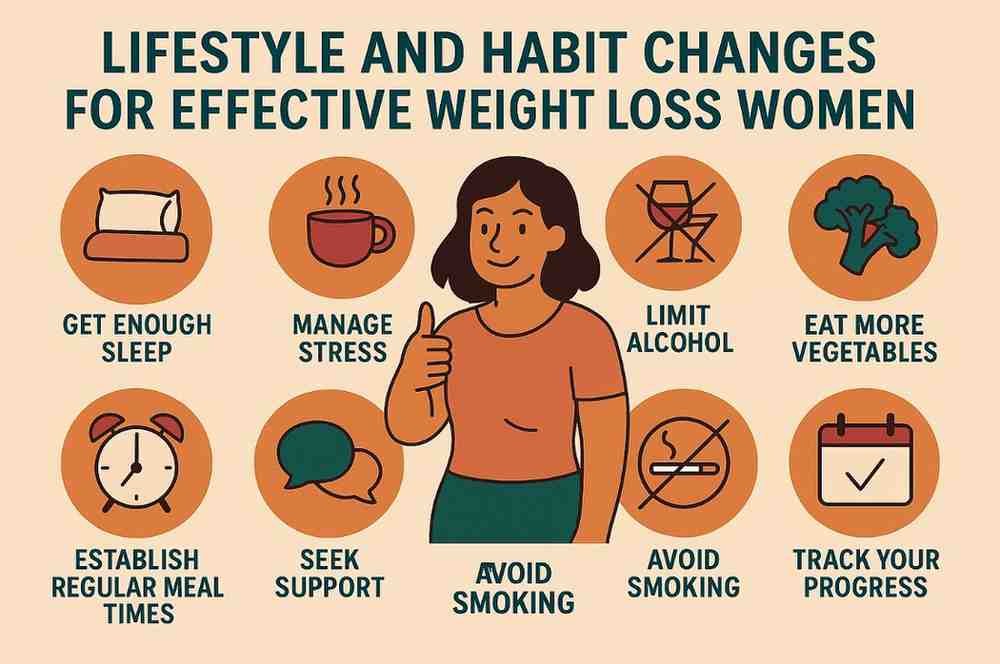
1. Sleep and Its Impact on Weight Loss
Quality sleep is essential for metabolism, appetite regulation, and recovery. Poor sleep can lead to:
- Increased cravings for unhealthy foods due to hormonal imbalances.
- Slower metabolism, making fat loss more difficult.
- Reduced energy levels, affecting workout performance.
Aim for 7–9 hours of sleep per night to support weight loss and overall well-being.
2. Stress Management and Emotional Eating
Stress can trigger emotional eating, leading to excess calorie consumption. To manage stress effectively:
- Practice mindfulness and meditation to reduce anxiety.
- Engage in physical activity to release endorphins and improve mood.
- Identify emotional eating triggers and replace them with healthier coping mechanisms, such as journaling or deep breathing exercises.
3. Building Sustainable Habits for Long-Term Success
Consistency is key to maintaining weight loss. Focus on:
- Setting realistic goals that align with your lifestyle.
- Creating a routine that includes balanced meals, regular exercise, and self-care.
- Celebrating small victories to stay motivated.
By incorporating these Effective Weight Loss Tips for Women, you can develop lasting habits that support a healthy and fulfilling lifestyle.
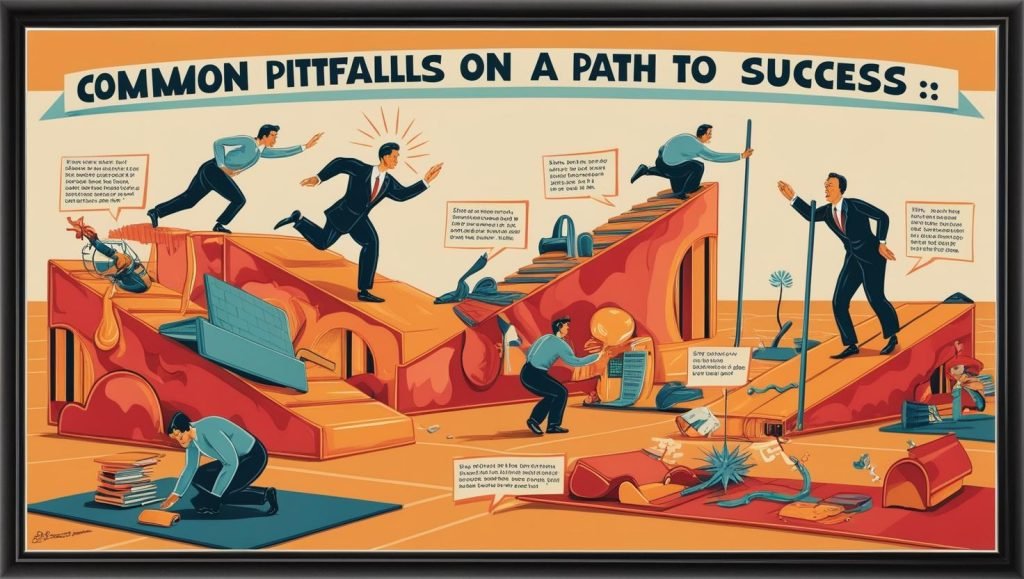
Common Pitfalls and How to Overcome Them
Weight loss is a journey filled with challenges, but understanding common pitfalls can help women stay on track. By following Effective Weight Loss Tips for Women, you can avoid setbacks and achieve sustainable results.
1. Crash Diets and Why They Don’t Work
Many women turn to extreme diets for quick results, but these approaches often lead to:
- Slowed metabolism, making long-term weight loss harder.
- Muscle loss, reducing overall strength and tone.
- Nutrient deficiencies, affecting energy levels and health.
Solution: Focus on balanced nutrition with whole foods, portion control, and sustainable eating habits instead of drastic calorie cuts.
2. Plateaus and How to Push Through Them
Weight loss plateaus are common and can be frustrating. They occur when the body adapts to a routine, slowing progress.
Solution:
- Adjust your workout by increasing intensity or incorporating strength training.
- Reevaluate your diet to ensure proper calorie intake and nutrient balance.
- Prioritize sleep and stress management, as both impact metabolism.
3. Dealing with Cravings and Social Pressures
Cravings and social situations can make it difficult to stick to a healthy routine. Common challenges include:
- Temptation from processed foods and sugary snacks.
- Pressure to indulge in unhealthy meals at social gatherings.
- Emotional eating is triggered by stress or boredom.
Solution:
- Practice mindful eating to recognize true hunger vs. emotional cravings.
- Plan ahead by choosing healthier options when dining out.
- Find balance by allowing occasional treats without guilt.
By overcoming these obstacles with Effective Weight Loss Tips for Women, you can stay committed to your goals and build a sustainable, healthy lifestyle.
Conclusion
Achieving and maintaining a healthy weight requires a balanced approach that integrates nutrition, exercise, and lifestyle changes. By following Effective Weight Loss Tips for Women, you can create sustainable habits that support long-term success.
Recap: The Key to Sustainable Weight Loss
- Nutrition: Focus on whole foods, portion control, hydration, and mindful eating.
- Exercise: Incorporate strength training, cardio, and flexibility exercises for a well-rounded routine.
- Lifestyle: Prioritize sleep, manage stress, and build sustainable habits to support overall well-being.
Patience and Consistency Lead to Success
Weight loss is not an overnight process—it requires commitment, patience, and consistency. Small, daily improvements lead to lasting results. Instead of chasing quick fixes, focus on progress over perfection and celebrate every step forward.
Stay motivated, trust the process, and embrace a healthier lifestyle that empowers you to feel strong, confident, and energized.