
Belly fat is more than just an aesthetic concern—it’s linked to serious health risks like heart disease, diabetes, and metabolic disorders. Many people struggle with stubborn belly fat, often finding that traditional diet and exercise methods don’t yield quick results.
So, how can you lose belly fat fast? Experts emphasize that a combination of targeted nutrition, effective workouts, and lifestyle adjustments is key to accelerating fat loss. By following science-backed strategies, you can shed excess belly fat efficiently while improving overall health and confidence.
In this guide, we’ll explore expert-recommended techniques to help you lose belly fat fast—from optimizing your diet to incorporating the right exercises and habits for sustainable results. Let’s dive in! 🚀
Understanding Belly Fat: Why It’s Hard to Lose
The age-old quest to understand and conquer that stubborn belly fat! It’s a common concern, and you’re right to want to learn more about it. Let’s dive into why it can be so tricky to lose and what’s going on beneath the surface.
The Two Types of Belly Fat
When we talk about belly fat, we’re actually referring to two main types:
Subcutaneous Fat: This is the fat you can pinch – the layer right under your skin. It’s visible and contributes to the overall softness around your midsection. While having too much subcutaneous fat isn’t ideal for aesthetics, it’s generally considered less harmful to your health compared to its deeper counterpart.
Visceral Fat: This is the more concerning type. Visceral fat lies deep within your abdominal cavity, surrounding your internal organs like the liver, stomach, and intestines. You can’t necessarily see or pinch it easily. Think of it as the “hidden” belly fat. This type of fat is metabolically active, meaning it releases hormones and inflammatory substances that can significantly impact your health.
Why is “Stubborn Belly Fat” So Hard to Lose?
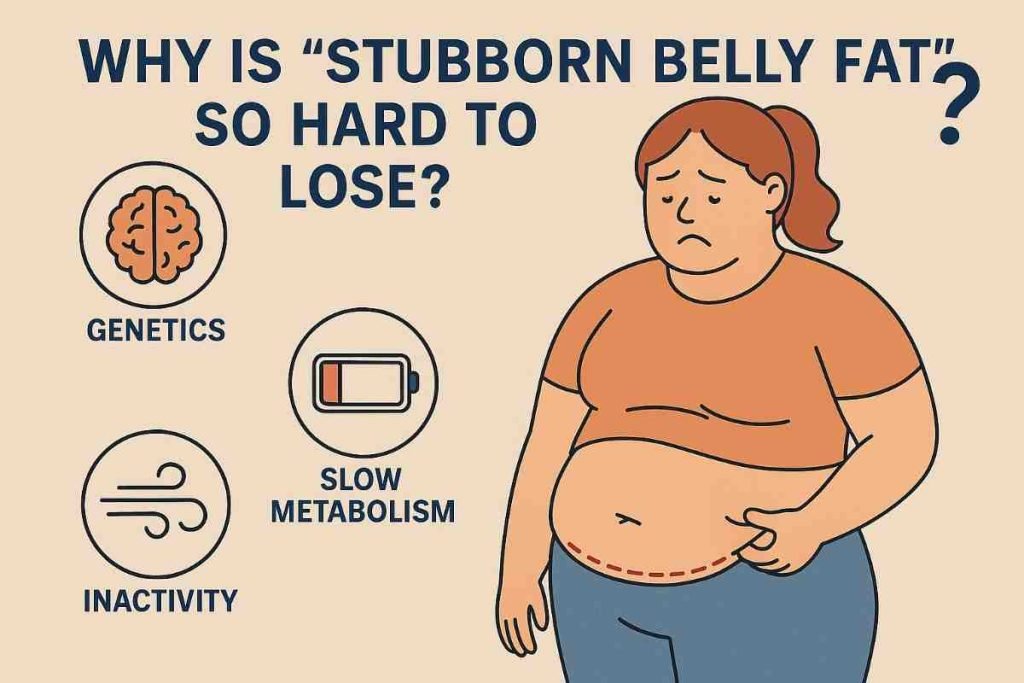
Several factors contribute to why it can feel like an uphill battle to burn belly fat:
Hormonal Influences: Hormones play a significant role in fat storage and distribution. For instance, higher levels of cortisol (the stress hormone) can promote the accumulation of visceral fat. Insulin resistance, often linked to diets high in refined carbohydrates and sugars, can also make it harder for your body to burn fat, especially around the abdomen. In women, hormonal shifts during menopause can also lead to increased belly fat storage.
Genetics: Your genes can influence where your body tends to store fat. Some people are genetically predisposed to carrying more weight around their abdomen.
Lifestyle Factors:
Diet: A diet high in processed foods, sugary drinks, and unhealthy fats can contribute significantly to belly fat accumulation.
Lack of Exercise: Inactivity, especially the lack of regular cardiovascular exercise and strength training, makes it harder to burn overall body fat, including belly fat.
Stress: Chronic stress can lead to elevated cortisol levels, as mentioned earlier, which encourages visceral fat storage.
Sleep: Insufficient or poor-quality sleep can disrupt hormones that regulate appetite and metabolism, potentially leading to increased belly fat.
Metabolic Factors: As we age, our metabolism naturally tends to slow down, which can make it easier to gain weight, including around the midsection.
Health Risks Associated with Excess Belly Fat
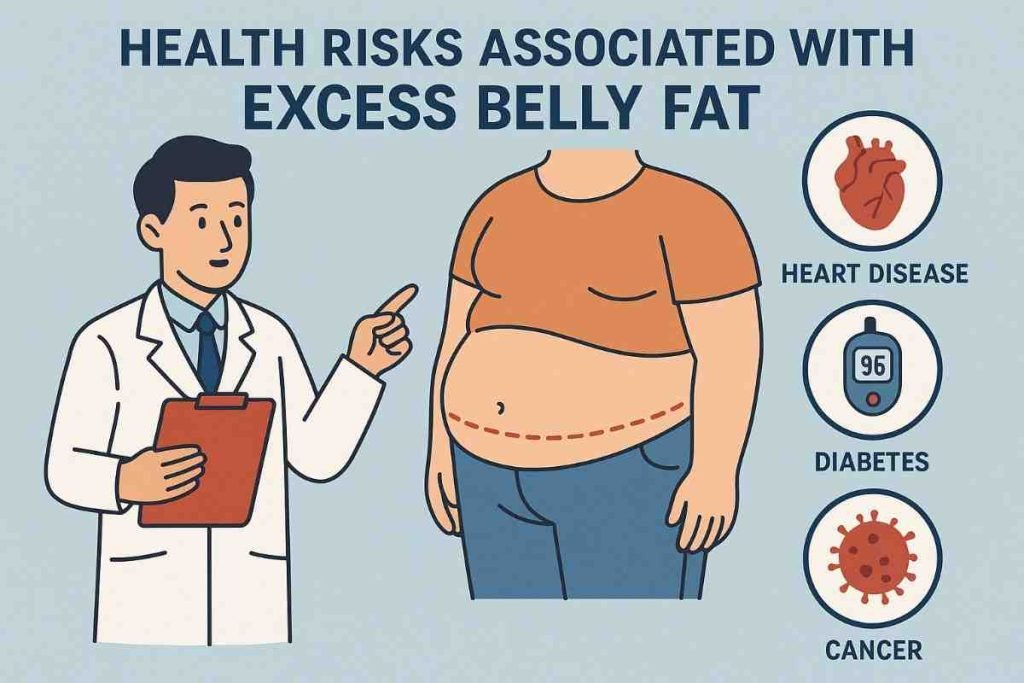
Having excess belly fat, particularly visceral fat, poses significant health risks:
Increased Risk of Cardiovascular Disease: Visceral fat releases fatty acids, inflammatory markers, and other substances that can raise bad cholesterol (LDL), lower good cholesterol (HDL), increase triglycerides, and contribute to the development of plaque in the arteries (atherosclerosis). This significantly elevates the risk of heart attacks, strokes, and other cardiovascular events.
Type 2 Diabetes: Visceral fat can interfere with the action of insulin, leading to insulin resistance and an increased risk of developing type 2 diabetes.
Metabolic Syndrome: This is a cluster of conditions that often occur together and increase the risk of heart disease, stroke, and type 2 diabetes. These conditions include high blood pressure, high blood sugar, unhealthy cholesterol levels, and excess abdominal fat.
Non-Alcoholic Fatty Liver Disease (NAFLD): Excess visceral fat can lead to the accumulation of fat in the liver, potentially causing inflammation and liver damage.
Certain Types of Cancer: Research suggests a link between excess belly fat and an increased risk of certain cancers, including colorectal, breast, and pancreatic cancer.
Sleep Apnea: Excess fat around the neck and abdomen can contribute to obstructive sleep apnea, a condition characterized by repeated pauses in breathing during sleep.
Inflammation: Visceral fat is an active endocrine organ that releases inflammatory cytokines, contributing to chronic low-grade inflammation throughout the body, which is linked to numerous diseases.
It’s important to remember that while losing belly fat can be challenging, it’s definitely achievable with consistent effort and a focus on a healthy lifestyle. Targeting overall fat loss through a balanced diet, regular exercise (including both cardio to burn calories and strength training to build muscle), stress management, and sufficient sleep are key strategies to help you reduce that stubborn belly fat and improve your overall health.
Expert-Recommended Strategies to Lose Belly Fat Fast
Alright, let’s get into the actionable strategies that experts recommend for tackling belly fat quickly. You’re looking for a focused approach, so here’s a breakdown of nutrition, exercise, and lifestyle changes to help you on your way.

A. Nutrition: Eat Smart to Burn Fat
The saying “you are what you eat” really rings true when it comes to shedding that stubborn belly fat. Here’s how to eat strategically:
Best Foods to Lose Belly Fat Fast:
High-Protein Sources: Lean meats (chicken, turkey, fish), eggs, dairy (Greek yogurt, cottage cheese), legumes (lentils, beans), and tofu. Protein helps you feel fuller for longer, preserves muscle mass during weight loss, and has a higher thermic effect (the energy your body uses to digest it).
Fiber-Rich Foods: Vegetables (especially leafy greens, broccoli, Brussels sprouts), fruits (berries, apples, pears), whole grains (oats, quinoa, brown rice), and seeds (chia seeds, flax seeds). Fiber aids digestion, helps regulate blood sugar levels (reducing insulin spikes that can promote fat storage), and also contributes to satiety.
Healthy Fats: Avocados, nuts (almonds, walnuts), seeds (pumpkin seeds, sunflower seeds), olive oil, and fatty fish (salmon, mackerel). These fats are satiating, support hormone production, and have anti-inflammatory properties.
Foods to Avoid:
Processed Foods: These are often high in unhealthy fats, added sugars, and sodium, contributing to inflammation and fat storage. Think packaged snacks, processed meats, and fast food.
Added Sugars: Sugary drinks (soda, juice), candy, pastries, and other sweets lead to rapid blood sugar spikes, which can promote insulin resistance and visceral fat accumulation.
Trans Fats: Often found in partially hydrogenated oils in some processed foods and fried items, trans fats are particularly harmful to heart health and can increase belly fat.
Intermittent Fasting (IF) and Burning Belly Fat: IF involves cycling between periods of eating and voluntary fasting on a regular schedule. Several popular methods exist (e.g., 16/8 method, where you eat within an 8-hour window and fast for 16 hours). IF can help burn belly fat by:
Calorie Restriction: By limiting your eating window, you naturally tend to consume fewer calories overall.
Improved Insulin Sensitivity: Fasting can help your body become more responsive to insulin, which can aid in fat mobilization and prevent fat storage, particularly around the abdomen.
Hormonal Changes: IF may lead to increased levels of fat-burning hormones like norepinephrine and human growth hormone.
Hydration & Gut Health:
Water: Staying well-hydrated is crucial for overall health and weight management. Water can help you feel full, boost your metabolism slightly, and is essential for various bodily functions involved in fat burning. Aim for consistent water intake throughout the day.
Probiotics: These beneficial bacteria found in fermented foods (like yogurt with live and active cultures, kefir, sauerkraut, kimchi) and supplements can support a healthy gut microbiome. A balanced gut can improve digestion, reduce inflammation, and may even influence fat storage.
B. Exercise: Workouts That Target Belly Fat
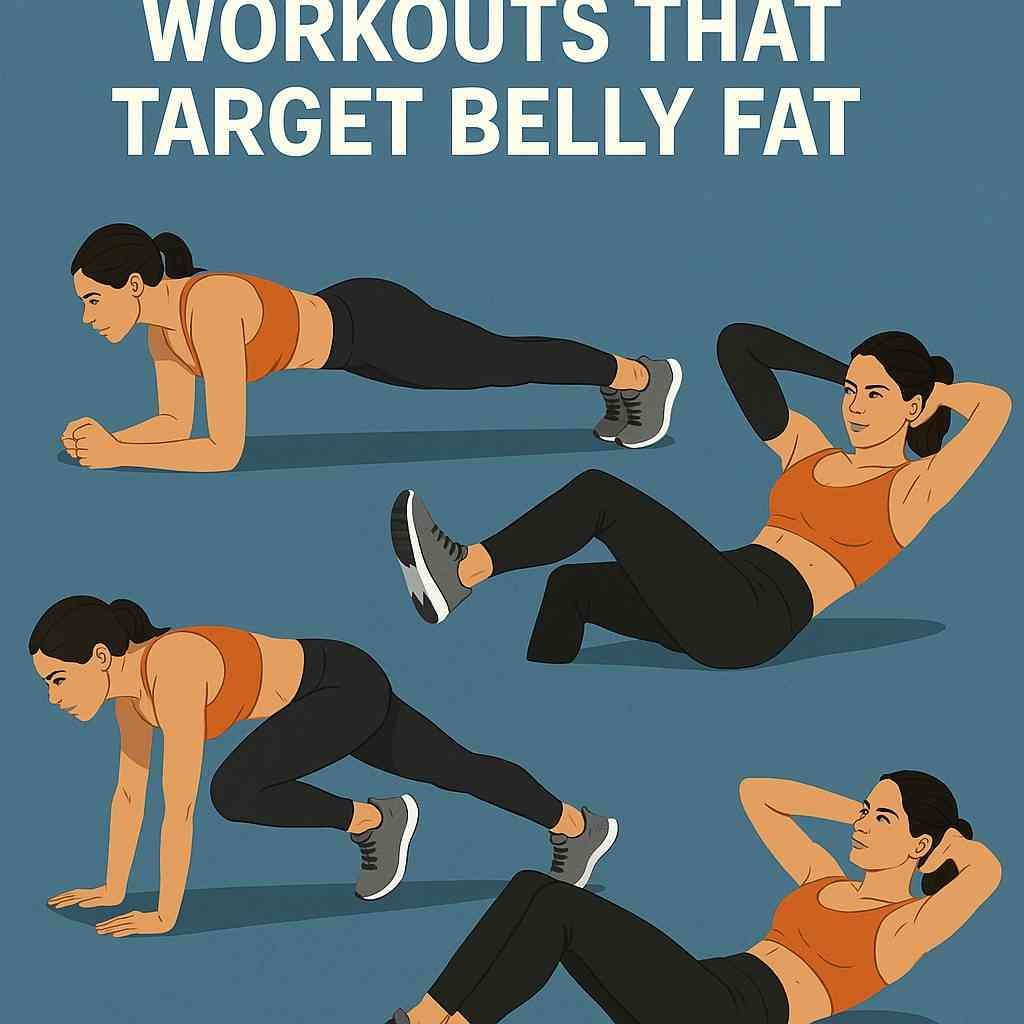
Combining different types of exercise is often the most effective way to burn overall fat and target belly fat specifically:
Best Exercises to Lose Belly Fat Fast:
High-Intensity Interval Training (HIIT): This involves short bursts of intense exercise followed by brief recovery periods. HIIT is highly effective at burning calories in a short amount of time and can boost your metabolism for hours after your workout (the “afterburn effect”). Examples include sprinting intervals, burpees, mountain climbers, and jumping jacks.
Strength Training (Weightlifting): Building muscle mass is crucial for long-term fat loss. Muscle tissue burns more calories at rest than fat tissue. Compound exercises that work multiple muscle groups simultaneously (like squats, deadlifts, lunges, rows, and overhead presses) are particularly effective.
Core Workouts: While core exercises like planks, crunches, and Russian twists primarily strengthen the abdominal muscles, they contribute to a stronger core, which can improve posture and overall stability. However, they don’t directly “spot reduce” belly fat. Fat loss happens systemically.
Cardio vs. Strength Training: Which is More Effective?
Cardio (Aerobic Exercise): Activities like running, swimming, cycling, and brisk walking are excellent for burning calories and improving cardiovascular health.
Strength Training: As mentioned, it builds muscle, which increases your resting metabolic rate.
The Verdict: Both are important! Cardio is great for immediate calorie expenditure, while strength training builds the metabolic engine for sustained fat loss. A combination of both is generally considered the most effective approach to burn belly fat and improve overall body composition.
Consistency and Progressive Overload:
Consistency: Regular exercise is key. Aim for a consistent workout schedule that you can stick to most days of the week.
Progressive Overload: Gradually increasing the intensity, duration, or resistance of your workouts over time is essential to continue challenging your body and promoting muscle growth and fat loss. This could mean lifting heavier weights, doing more reps, running for longer, or shortening your rest periods.
C. Lifestyle Changes for Faster Belly Fat Loss
Beyond diet and exercise, your daily habits and overall lifestyle play a significant role in your ability to lose belly fat:
Sleep & Stress Management:
Sleep: Aim for 7-9 hours of quality sleep per night. Insufficient sleep can disrupt hormones that regulate appetite (increasing ghrelin, the hunger hormone, and decreasing leptin, the satiety hormone) and metabolism, leading to increased cravings and fat storage, particularly around the abdomen.
Stress Management: Chronic stress elevates cortisol levels, which, as we discussed, can promote visceral fat accumulation. Incorporate stress-reducing activities into your routine, such as meditation, yoga, deep breathing exercises, spending time in nature, or pursuing hobbies.
Mindful Eating & Portion Control:
Mindful Eating: Pay attention to your hunger and fullness cues. Eat slowly, without distractions, and savor your food. This can help you recognize when you’re truly full and prevent overeating.
Portion Control: Be aware of recommended serving sizes and avoid oversized portions. Using smaller plates and measuring your food can be helpful strategies.
Daily Habits That Accelerate Fat Loss:
Walking More: Incorporate more walking into your daily routine. Take the stairs, walk during your lunch break, or go for evening strolls. Even moderate activity adds up over time.
Standing More: If you have a sedentary job, try to stand up and move around regularly. Consider a standing desk or taking frequent breaks to stretch and walk.
Reducing Alcohol Consumption: Alcohol is often high in calories and can contribute to belly fat storage. Limiting or eliminating alcohol can make a significant difference.
By implementing these expert-recommended strategies across nutrition, exercise, and lifestyle, you’ll be well-equipped to tackle that stubborn belly fat and work towards a healthier you! Remember that consistency and patience are key – sustainable changes take time.
Common Mistakes That Slow Down Belly Fat Loss
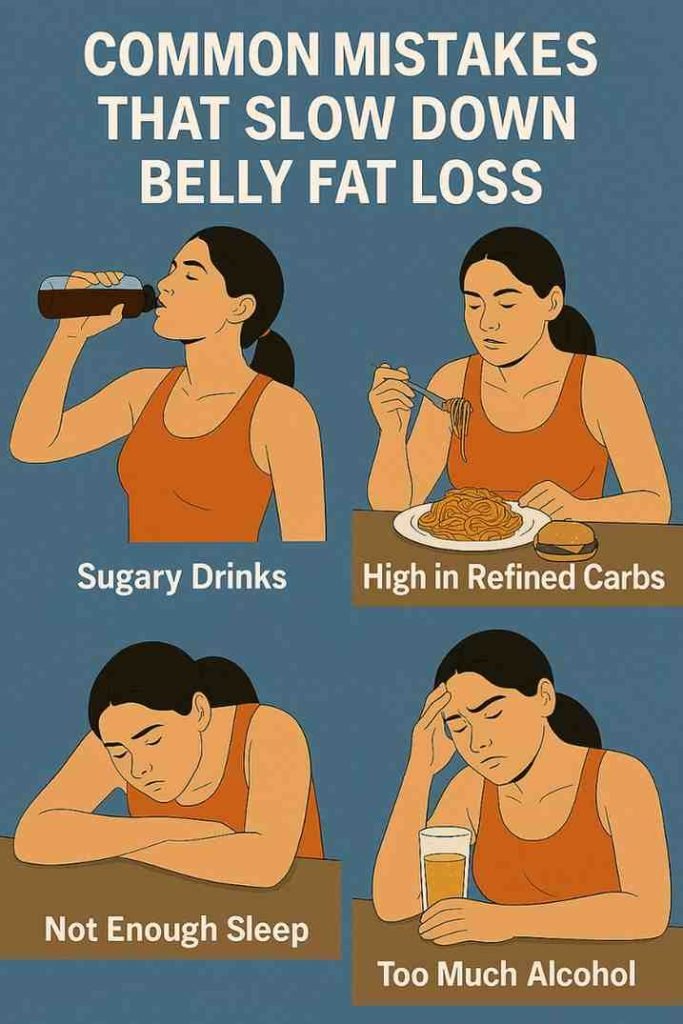
Losing stubborn belly fat can feel like an uphill battle, especially if you’re making these common mistakes. Here’s why they backfire—and what to do instead.
1. Crash Diets & Extreme Calorie Restriction ❌
Many people try to burn belly fat fast by drastically cutting calories, but this often backfires because:
- Slows metabolism – Your body goes into “starvation mode,” holding onto fat.
- Muscle loss – Without enough protein & nutrients, you lose muscle instead of fat.
- Rebound weight gain – Once you resume normal eating, fat storage increases.
✅ Fix It: Aim for a moderate calorie deficit (300–500 calories/day) with a high-protein, whole-food diet to lose fat sustainably.
2. Relying Only on Ab Exercises (Spot Reduction Myth) ❌
Doing endless crunches won’t magically melt belly fat because:
- Fat loss happens globally – You can’t target fat loss in one area.
- Abs are made in the kitchen – Diet plays a bigger role than ab workouts.
- Strength training & cardio burn more fat – Compound lifts (squats, deadlifts) and HIIT are far more effective.
✅ Fix It: Combine full-body strength training, cardio, and core work for best results.
3. Ignoring Sleep & Stress (Cortisol’s Role) ❌
Poor sleep and high stress keep belly fat stuck because:
- Cortisol (stress hormone) promotes fat storage, especially around the abdomen.
- Lack of sleep disrupts hunger hormones, increasing cravings for sugary, fatty foods.
- Recovery suffers – Without proper rest, workouts become less effective.
✅ Fix It:
- Aim for 7–9 hours of sleep nightly.
- Manage stress with meditation, walking, or deep breathing.
- Avoid late-night caffeine & screen time for better sleep quality.
Key Takeaway
To lose belly fat effectively, avoid extreme diets, focus on full-body workouts, and prioritize sleep & stress management. Small, consistent changes lead to lasting results!
Expert Tips for Sustainable Belly Fat Loss
Losing belly fat is challenging, but keeping it off is even harder. Here’s how to maintain results long-term with a science-backed approach.
1. How to Maintain Results Long-Term
Avoid Yo-Yo Dieting
- Extreme diets lead to quick weight loss but faster regain.
- Solution: Adopt flexible, nutrient-dense eating habits (80% whole foods, 20% flexibility).
Focus on Metabolic Health
- Improve insulin sensitivity (reduce sugar & refined carbs).
- Eat high-fiber & protein-rich meals to stay full and burn fat.
Stay Active Beyond Workouts
- NEAT (Non-Exercise Activity Thermogenesis)—walking, standing, daily movement—helps sustain fat loss.
- Aim for 8K–10K steps/day to keep metabolism active.
2. Building a Balanced Routine for Lasting Fat Loss
Nutrition
✔ Protein-first meals (keeps muscle, boosts metabolism).
✔ Healthy fats (avocados, nuts, olive oil—balance hormones).
✔ Slow-digesting carbs (oats, sweet potatoes, quinoa for energy).
✔ Hydration (water + electrolytes reduce bloating & cravings).
Training
✔ Strength training 3–4x/week (preserves muscle, burns fat).
✔ HIIT 1–2x/week (boosts fat oxidation).
✔ Low-intensity cardio (walking, cycling for recovery & fat burn).
Recovery
✔ 7–9 hours of sleep (critical for fat loss hormones).
✔ Stress management (meditation, deep breathing lowers cortisol).
3. Tracking Progress & Adjusting Strategies
Measure the Right Things
- Waist circumference (better indicator than weight).
- Progress photos (visual changes matter more than the scale).
- Strength & endurance (can you lift heavier? Run longer?).
When to Adjust Your Approach
- Plateau for 3+ weeks? Try:
- Reverse dieting (slowly increase calories to reset metabolism).
- Changing workout intensity (new exercises, heavier weights).
- Carb cycling (alternate high & low-carb days).
Mindset Matters
- Consistency > Perfection – Occasional treats won’t ruin progress.
- Focus on habits, not quick fixes – Sustainable fat loss takes time.
Final Takeaway
To keep belly fat off for good, build a flexible nutrition plan, stay active daily, prioritize recovery, and track progress smartly. Small, sustainable changes lead to lifelong results—not just short-term fixes.
Frequently Asked Questions
1. What is the fastest way to lose belly fat?
The fastest way to lose belly fat fast is by combining a calorie-controlled diet, high-intensity workouts, and lifestyle changes like better sleep and stress management. Experts recommend strength training, HIIT workouts, and a protein-rich diet for optimal fat loss.
2. Can I lose belly fat fast without exercise?
While diet plays a major role, exercise accelerates fat loss and improves metabolism. You can lose belly fat fast by focusing on nutrition, portion control, and reducing sugar intake, but adding workouts will give better and faster results.
3. What foods help burn belly fat fast?
Experts recommend eating:
- High-protein foods (chicken, fish, eggs, tofu)
- Fiber-rich foods (vegetables, fruits, oats, chia seeds)
- Healthy fats (avocados, nuts, olive oil)
- Probiotic-rich foods (yogurt, kimchi, kefir) Avoid processed foods, sugar, and trans fats to lose belly fat fast effectively.
4. How long does it take to lose belly fat fast?
The timeline depends on diet, exercise, metabolism, and consistency. Most people see noticeable results in 4-8 weeks with a structured plan. However, losing belly fat fast requires sustainable habits to prevent weight regain.
5. Does drinking water help lose belly fat fast?
Yes! Staying hydrated boosts metabolism, reduces bloating, and helps control appetite. Drinking 2-3 liters of water daily supports digestion and fat-burning, making it easier to lose belly fat fast.
6. Can I target belly fat with specific exercises?
No, spot reduction is a myth. While ab exercises strengthen core muscles, full-body workouts like HIIT and strength training are more effective for losing belly fat fast. Focus on overall fat loss for visible results.
7. Does stress affect belly fat loss?
Yes! High stress increases cortisol, leading to fat storage around the belly. Managing stress through meditation, deep breathing, and quality sleep helps lose belly fat fast and improves overall health.
8. Is intermittent fasting effective for losing belly fat fast?
Yes! Intermittent fasting helps regulate insulin levels, boosts fat burning, and reduces calorie intake naturally. Popular methods like 16:8 fasting can help you lose belly fat fast when combined with a healthy diet.
9. What are common mistakes that slow down belly fat loss?
Avoid these mistakes: ❌ Crash diets that slow metabolism ❌ Skipping strength training ❌ Not getting enough sleep ❌ Overeating “healthy” foods ❌ Ignoring stress management Fixing these habits will help you lose belly fat fast more effectively.
10. How can I maintain belly fat loss long-term?
To keep belly fat off, focus on: ✅ Balanced nutrition (protein, fiber, healthy fats) ✅ Regular workouts (strength training & cardio) ✅ Quality sleep & stress management ✅ Hydration & mindful eating ✅ Consistency over quick fixes
Conclusion: Take Action to Lose Belly Fat Fast
Losing belly fat fast requires more than just a crash diet or endless crunches—it’s about combining smart nutrition, effective workouts, and sustainable lifestyle changes. By focusing on high-protein foods, strength training, and stress management, you can burn belly fat efficiently while improving your overall health.
Experts emphasize that consistency is key—small daily habits like staying active, prioritizing sleep, and managing stress can make a significant difference. Instead of chasing quick fixes, commit to science-backed strategies that deliver lasting results.
Now it’s time to take action! Start implementing these expert-recommended methods today and watch your progress unfold. Whether it’s adjusting your diet, trying a new workout routine, or improving your sleep quality, every step brings you closer to your goal.
Ready to transform your health and confidence? Let’s get started! 🚀